Foundations of the Diocesan Pastoral Plan
Vision, mission, and the synodal process that shaped our shared pastoral roadmap for the Diocese of Simla-Chandigarh.
SYNODAL
LISTENING
The Journey of Listening and Communion
With gratitude to God and in communion with our Bishop, We are pleased to pen down the process of Diocesan Pastoral Plan (2026–2030), a fruit of prayerful discernment, wide consultation, and collective responsibility. This Plan is not merely a document, but a shared pastoral roadmap guiding our Diocese in fidelity to the Gospel and in response to the signs of the times. Inspired by the synodal vision of Pope Francis, a Church that journeys together in communion, participation, and mission and aligned with the National Pastoral Plan 2033 of the Conference of Catholic Bishops of India, this Pastoral Plan reflects our diocesan realities, priorities, and pastoral aspirations for the coming years.
Explore the Plan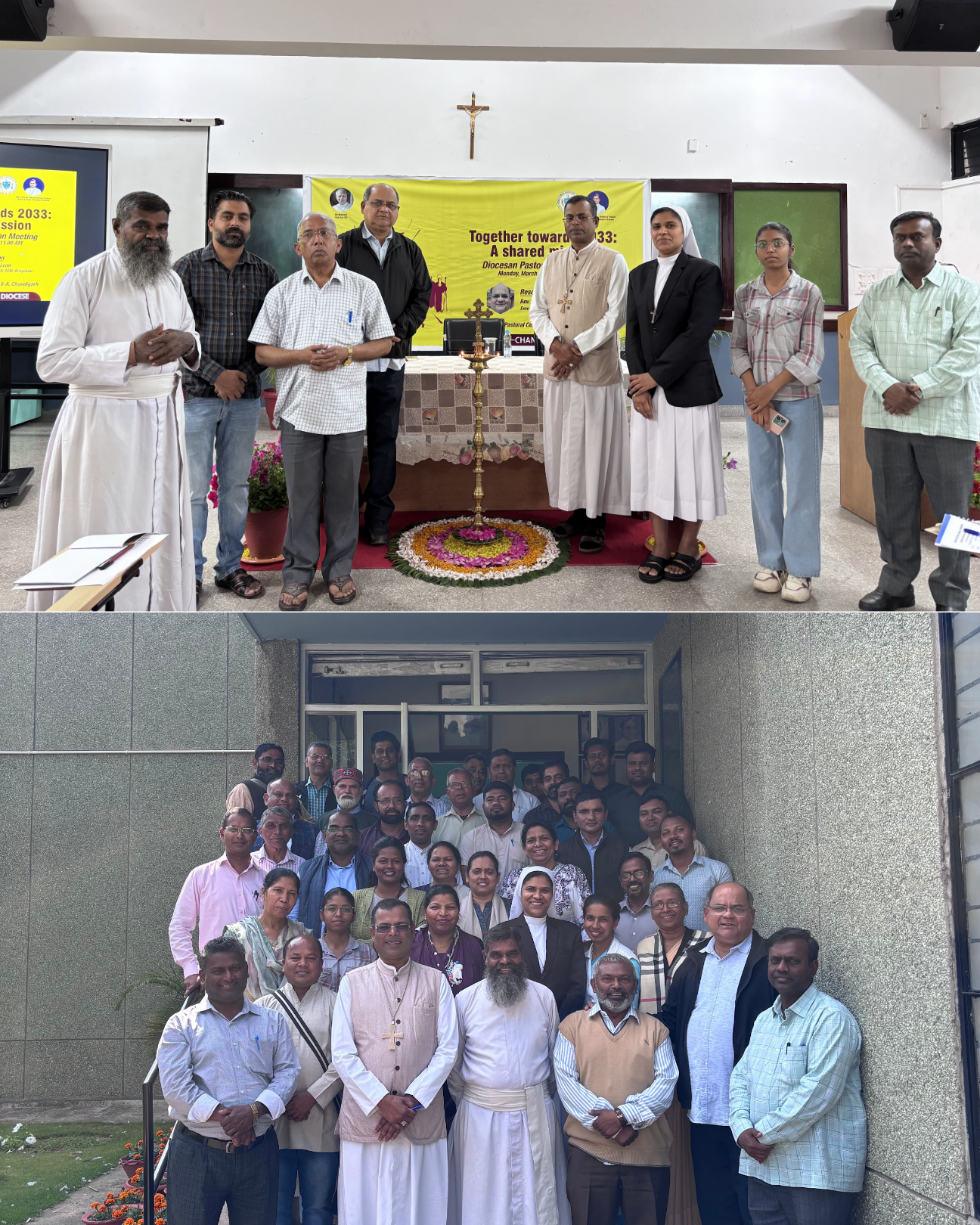
Synodal Listening
Parish-level consultations, small group discussions, and deanery meetings.
Participation of youth, women, catechists, teachers, migrants, and pastoral council members.
Reflection centered on communion, participation, and mission.
Feedback compiled at diocesan level for discernment and planning.
Key Milestones
- The preparation for Diocesan Pastoral plan began on September 20, 2025.
- Six core-committee meetings held.
- Four Commission meetings held.
- Several consultative gatherings held to listen attentively to the voices of the laity, religious, and clergy representatives.
What We Heard
Desire for Greater Participation
Faithful expressed the need for more inclusive and transparent decision-making processes.
Need for Ongoing Faith Formation
Strong call for systematic catechesis for youth, families, and lay leaders.
Youth Engagement
Young people seek accompaniment, leadership opportunities, and meaningful involvement.
Pastoral Care for the Marginalized
Concern for migrants, rural poor, and economically vulnerable families.
Strengthening Communion
Emphasis on unity, better communication, and collaboration among clergy and laity.
A Shared Vision
The listening process revealed a vibrant but evolving local Church eager for deeper communion, co-responsibility, and missionary dynamism. It highlighted the need for structured formation, participatory governance, and renewed outreach in order to build a synodal and mission-oriented Diocese. May this Pastoral Plan serve as a living guide, inspiring us to walk together with hope, courage, and pastoral charity for the growth of God's Kingdom in our Diocese.
Those Who Shaped This Plan
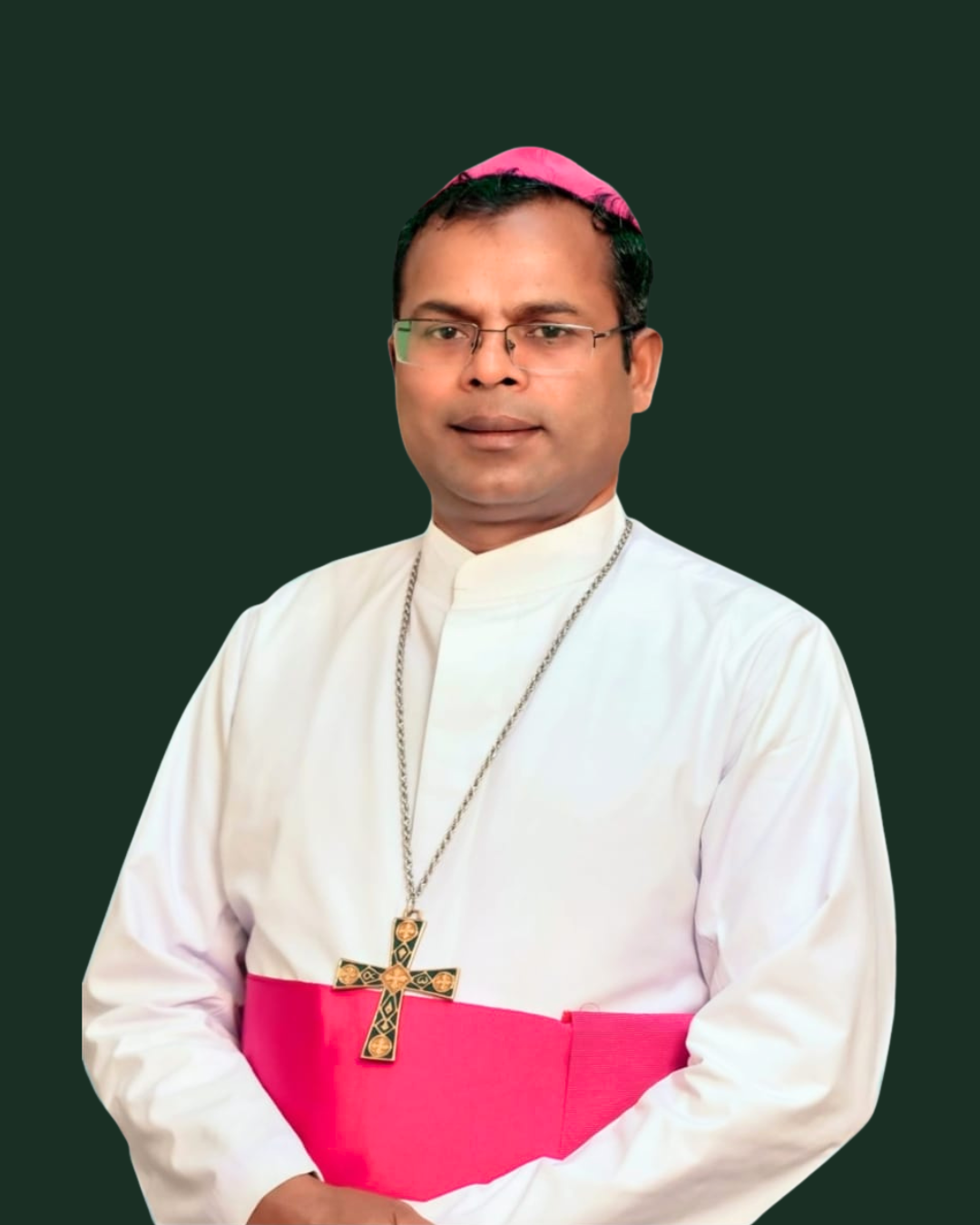
Most Rev. Dr. Sahaya Thatheus Thomas
Chairperson
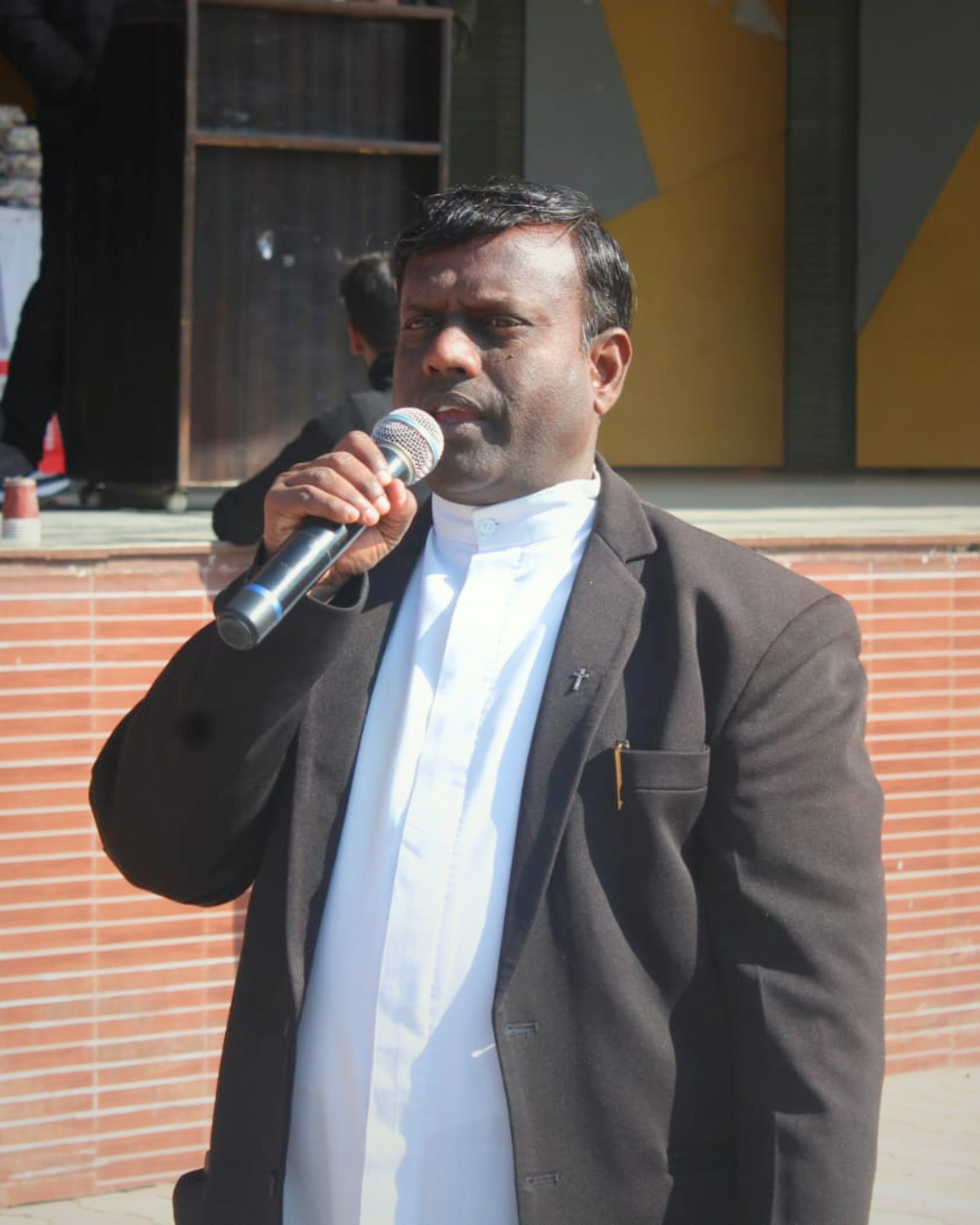
Fr. John Maria Vianney
Coordinator
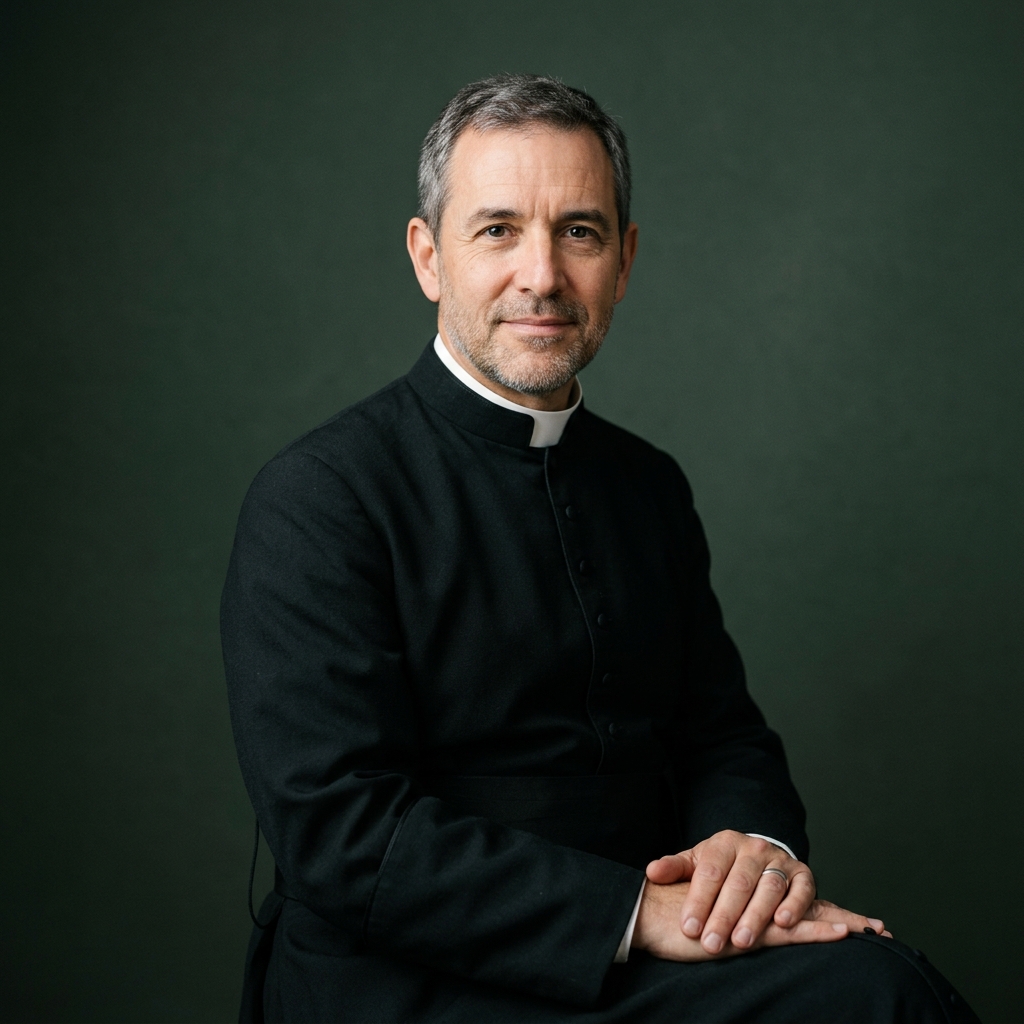
Fr. Julian SDB
CRI Representative
Fr. Kejus R
Clergy Representative
Fr. Angelus Antony
Clergy Representative
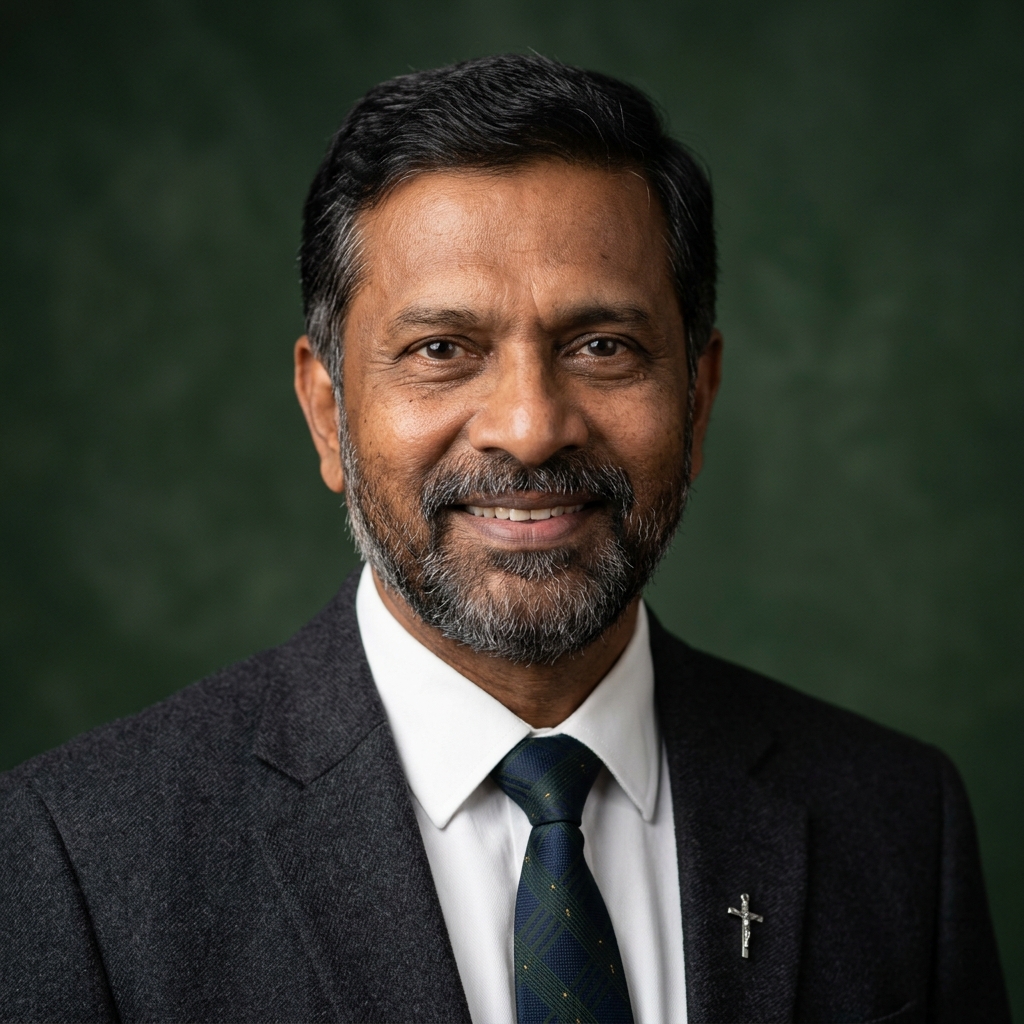
Mr. Sameer Lakra
Laity Representative
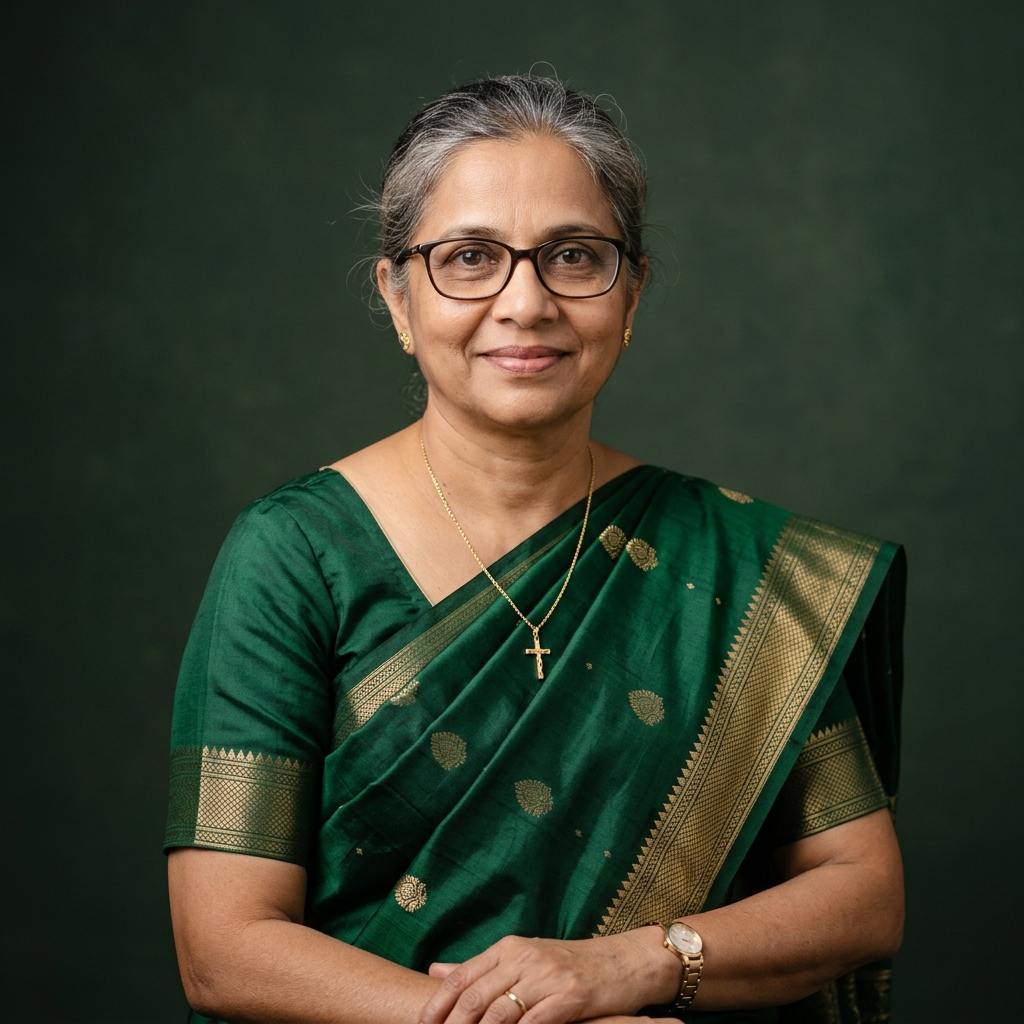
Ms. Maria
Youth Representative
Fr. Joe Xavier SJ
Consultant, CCBI National Pastoral Plan 2033
Fr. Charles Leon
Executive Secretary, VSCR, CCBI & Coordinator, CCBI National Pastoral Plan 2033
Fr. George Abraham
Rector, Kristu Jyoti Gurukul, Kauli
“Creating a New Society centred on Jesus Christ, the Incarnate Word, permeated with the Gospel Values, and be transformed in mind and heart.”
“Inspired by the Word of God and centred on the Eucharist, our mission to be Spirit-filled witnesses of Christ in a pluralistic society, calls us to be person-oriented and collaborate with like-minded people to empower the powerless. We will create a New Society beginning with self-transformation and a common commitment to the values of the Kingdom - love, peace, justice, truth - that all enjoy the dignity of being the children of our Heavenly Father.”
What We Stand By
Love and Compassion
Living Christ’s love through inclusive pastoral care, especially for the poor and marginalized. All these are centred on the proclamation of the Gospel of Christ, the missionary task of the Church (SFD, nos. 45, 60).
Reconciliation and Peace-building
Promoting harmony and healing in a pluralistic society (SFD, nos. 28, 52).
Upholding Human Dignity
Affirming the dignity and rights of every person, especially the vulnerable (SFD, nos. 47, 53).
Gender Equity and Equality
Ensuring equal dignity and participation of women in the Church (SFD, nos. 54, 59).
Social and Environmental Justice
Promoting justice and ecological responsibility (SFD, nos. 48, 63).
Child Care and Protection
Ensuring safeguarding of minors and vulnerable persons (SFD, nos. 50, 61).
Greater Glory of God
Rooting all mission in prayer and discernment (SFD, nos. 34, 44).
How We Work Together
- 01
Preferential Option for the Poor and Needy
Prioritizing the poor and those on the peripheries (SFD, nos. 40, 46).
- 02
Inclusiveness and Peaceful Co-existence
Fostering inclusive and respectful communities (SFD, nos. 27, 42).
- 03
Shared Responsibility and Teamwork
Promoting co-responsibility among all faithful (SFD, nos. 36, 55).
- 04
Empowering the Laity in Mission
Encouraging active lay participation in mission (SFD, nos. 37, 58).
- 05
Accountability and Transparency
Ensuring responsible governance and administration (SFD, nos. 56, 62).
- 06
Respect for Religious and Cultural Diversity
Promoting dialogue with religions and cultures (SFD, nos. 25, 43).
- 07
Recognizing Lay Expertise
Valuing professional contributions of the laity (SFD, nos. 38, 57).
- 08
Synodality and Discernment as a Way of Life
Practicing, listening and communal discernment (SFD, nos. 29, 35).
Explore the Full Pastoral Plan
These foundations come to life through seven years of pastoral action — goals, commissions, and concrete initiatives that guide our diocese from 2026 to 2033.
Read the Pastoral Plan